
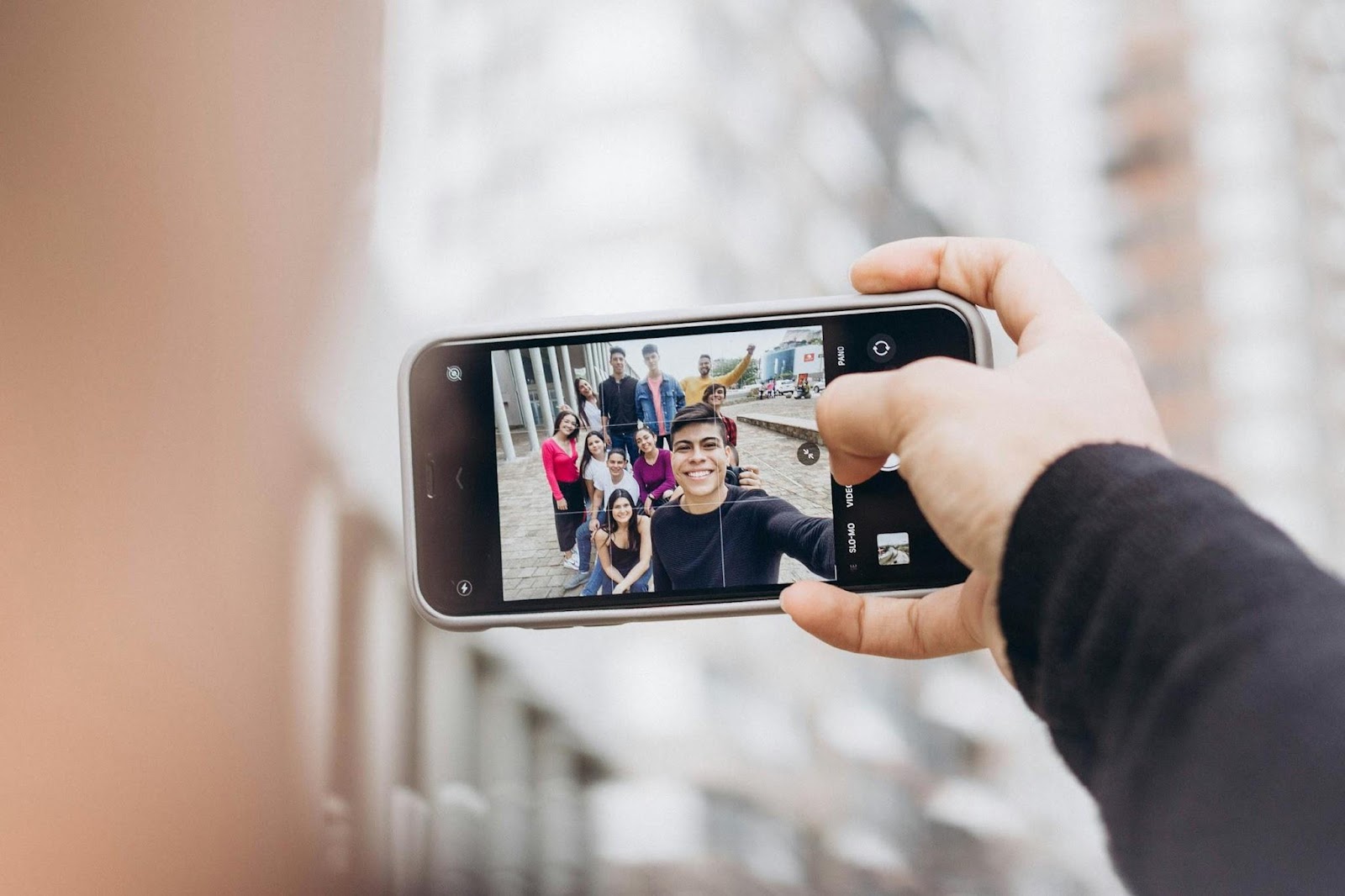
In an age where smartphones have become our primary cameras, the battle for the best phone camera has intensified. With every new release, manufacturers tout their innovations in photography technology, but how do you sift through the noise to find the device that truly delivers outstanding results? This must-read tech review will provide camera comparison insights to help you choose the perfect smartphone for your photography needs. Get ready to discover the features that elevate your mobile photography game!
1. Understanding Camera Specifications
Before diving into specific models, it’s essential to understand the key specifications that influence camera performance. Megapixels, aperture, sensor size, and additional features such as optical image stabilization (OIS) all play critical roles in determining image quality.
Megapixels
While higher megapixels can lead to more detailed images, they aren’t the sole determinant of photo quality. A camera with 12 megapixels can produce stunning images if coupled with a high-quality sensor and optics.
Aperture
Aperture, measured in f-stops, dictates how much light enters the lens. A lower f-stop number (like f/1.8) allows more light, making it ideal for low-light conditions. Conversely, higher f-stop numbers (like f/2.8) are better for well-lit environments.
Sensor Size
A larger sensor captures more light, enhancing overall image quality. This factor becomes especially important in challenging lighting conditions, where a larger sensor can produce clearer and more vibrant photos.
2. The Contenders: Top Smartphone Cameras of 2024
Apple iPhone 15 Pro
Apple has long been synonymous with exceptional camera quality, and the iPhone 15 Pro is no exception. With its advanced triple-camera system, this phone excels in various conditions. The 48 MP main sensor captures stunning detail, while the f/2.8 ultra-wide lens provides expansive landscapes without distortion. One standout feature is the Photonic Engine, which enhances low-light performance significantly.
Additionally, the ProRAW format allows photography enthusiasts to shoot in RAW, providing greater control during post-processing. The cinematic mode also shines for videographers, producing impressive depth-of-field effects.
Samsung Galaxy S24 Ultra
Samsung continues to impress with its flagship, the Galaxy S24 Ultra. Featuring a 200 MP main sensor, this phone redefines detail and clarity. The advanced zoom capabilities, with up to 100x Space Zoom, allow users to capture distant subjects with remarkable sharpness. The Nightography mode is a game-changer, providing vibrant, clear images in dimly lit environments.
The S24 Ultra’s camera software offers a plethora of features, including Single Take, which captures multiple photos and videos simultaneously, ensuring you never miss a moment. The inclusion of 8K video recording elevates this device for content creators looking to produce high-quality visuals.
Google Pixel 8 Pro
When it comes to computational photography, Google’s Pixel 8 Pro stands tall. With a 50 MP main sensor and excellent image processing software, it excels in creating natural-looking photos. The Magic Eraser feature allows users to remove unwanted objects from their images effortlessly, making it a favorite among casual photographers.
Low-light performance is superb, thanks to Night Sight, which brightens images without compromising detail. Google’s approach to software optimization means that even a single lens can yield stunning results, proving that megapixels aren’t everything.
OnePlus 11
OnePlus has made significant strides in camera technology, and the OnePlus 11 is a testament to that evolution. With a triple-camera setup featuring a 50 MP main lens, it delivers vibrant colors and sharp details. The ultra-wide lens captures expansive scenes with minimal distortion, and the macro lens allows for impressive close-ups.
OnePlus’s camera software is user-friendly, providing various modes, including a Pro mode for enthusiasts who want more control over their photography. The Hasselblad collaboration further enhances color accuracy, ensuring that photos have a professional touch.
3. Comparing Performance in Real-World Scenarios
In real-world usage, each phone camera excels in different scenarios. The iPhone 15 Pro is unparalleled in video recording, making it the go-to choice for vloggers. The Galaxy S24 Ultra is perfect for those who love to zoom in on distant subjects, while the Pixel 8 Pro shines in challenging lighting conditions. The OnePlus 11 offers a balance of performance and price, making it an excellent choice for budget-conscious users.
Night Photography
For low-light conditions, the Pixel 8 Pro takes the lead with its Night Sight feature, followed closely by the iPhone 15 Pro and Galaxy S24 Ultra. Each of these devices performs admirably, producing bright and detailed images even when the light is scarce.
Portraits
When it comes to portrait photography, the iPhone 15 Pro’s depth control and image processing yield striking results. The Galaxy S24 Ultra also offers stunning portrait shots, while the Pixel 8 Pro excels with its AI-driven features.
4. The Verdict: Choosing Your Best Phone Camera
Selecting the best phone camera ultimately depends on your unique needs. If you prioritize video capabilities, the iPhone 15 Pro is a clear winner. For zoom enthusiasts, the Galaxy S24 Ultra provides unmatched versatility. The Pixel 8 Pro stands out for its exceptional software-driven photography, while the OnePlus 11 offers a compelling package for those looking for performance without breaking the bank.
Each of these models has its strengths, making them worthy contenders in the smartphone photography arena. Armed with the camera comparison insights shared in this review, you’re now equipped to make an informed decision about which smartphone will best suit your photography needs. Embrace your creativity and capture stunning images with the right device in hand!
About the Author

