
There’s a whole lot to like about hydrogen, particularly for electrical utilities. Start off with hydrogen’s massive assure in cutting down carbon emissions though sustaining or escalating the regular of dwelling in made or rising economies. Increase in the simple fact that much of the technology needed to comprehend the prolonged-envisioned “hydrogen economy” previously exists, and you start out to recognize why curiosity in hydrogen is surging now.
And nonetheless, immediately after decades of buoyant projections, the path to a pervasive hydrogen economy—and the part utilities will enjoy in it—still appears to be rather indistinct. Engineers figured out prolonged ago how to create, transport, and use hydrogen. China now creates more than 20 million metric tons of it per year and the U.S. about nine million tonnes. Even so, just about all of this hydrogen is utilised to refine petroleum, create substances and fertilizer, take care of metals, and for other industrial functions. The U.S. has about two,500 km of hydrogen pipelines in procedure, and there’s a sturdy infrastructure to truck hydrogen to areas wherever pipelines do not make financial perception.
On the grid, hydrogen will almost certainly be utilised to begin with to shop electrical power. But it will be a alternatively unconventional variety of storage. Throughout situations of reduced need but large electrical power creation, for example from renewables like photo voltaic or wind, hydrogen could be generated in commercial-scale electrolyzer plants. Then, when need is large, the hydrogen can provide electrical power by reacting with ambient oxygen in a gas cell or even by powering a turbine.
But it is in the transportation sector that hydrogen will almost certainly have its most important effects, at least to begin with. And though some programs are futuristic—hydrogen-powered passenger airliners, for example—others are previously in use and seemingly poised for speedy expansion.
Exhibit A: gas-cell vans. A pure, battery-electrical truck can not generally haul the very same loads over the very same routes as a diesel-powered edition of the very same truck. But if some of the batteries are taken off and replaced with a gas cell and hydrogen tanks, the electrical truck is much more competitive. That is because the use of hydrogen tends to make the electrical power source scaled-down and lighter than batteries on your own. Even far better, the gas-cell electrical power educate can be built to cost the batteries en route and refueling with hydrogen usually takes about the very same time as with refueling with diesel, which is continue to considerably a lot quicker than recharging batteries.
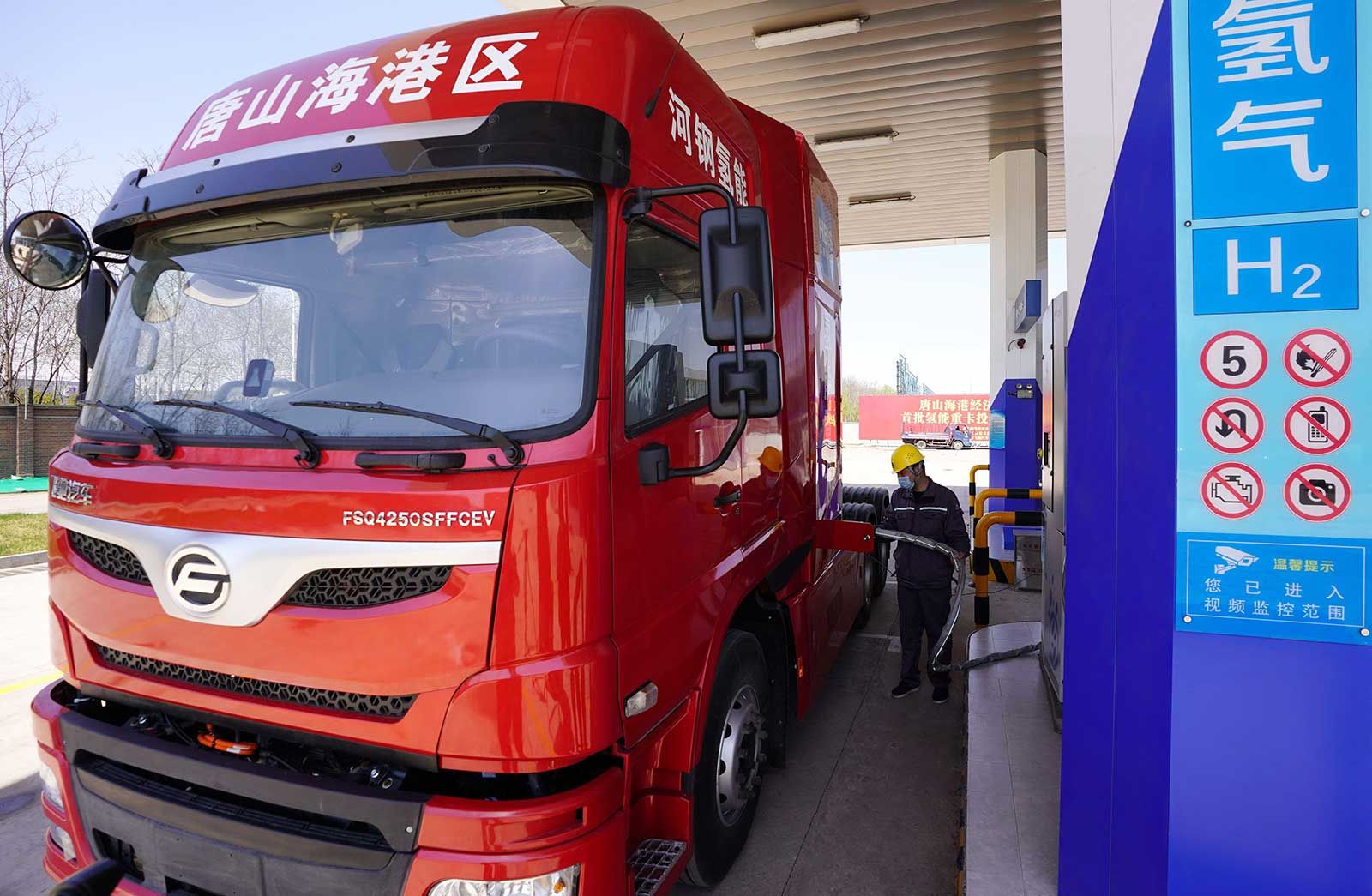
For that reason, gas-cell vans are on the street today and just about each truck maker is creating hydrogen variations of their autos. China has a US $5-billion-in addition system to produce a domestic hydrogen-improved electrical truck industry.
Why does this matter to electrical utilities? The hydrogen powering these autos would probably be generated at wind or photo voltaic electrical power amenities or nuclear plants. But it would be dispersed using a hydrogen-distribution infrastructure. The transmission and distribution elements of the electrical power industry would be left out. So, hydrogen-augmented EVs share the revenue otherwise between suppliers than battery-only EVs.
Additional complicating issues are some closely relevant political troubles. For example, the U.S. authorities is taking into consideration incentivizing the unfold of battery-only EV charging stations. But a major obstacle right here is to provide incentives with out distorting ideal technology evolution to very best meet the demands of the industry.
International locations routinely assess and system their infrastructure investments dependent on their view of what the potential can and must be. So Germany and Japan, which every have about a 3rd of the population of the U.S., have more hydrogen fueling stations and also more battery-charging stations per capita than the U.S. In complete numbers, the U.S. has about 2 times the range of battery-charging stations as Japan and only about two thirds the range in Germany, but for a much larger sized population. Provided this (admittedly modest) sampling of nations, it would appear that a consensus does not nonetheless exist between industrialized nations on the very best numbers and ratio of the distinctive kinds of EV charging stations to place a state for potential expansion.
The dilemma is, technology and industry need are not static. So infrastructure conclusions are seriously tough. Consider that right up until late in the 20thCentury, telephones were wired instruments and televisions were wireless.
The truck predicament is comparable to an additional struggling with the utilities. There is a world wide hard work to decarbonize electrical power, which favors more use of photo voltaic and wind electrical power. Regretably, the very best photo voltaic and wind sources are seldom close to population facilities. The resolution has been to build more large-voltage transmission strains. But they’re highly-priced, politically contentious, and unsightly. So, an alternate: make hydrogen at wind and photo voltaic farms and transport it to population facilities, changing large-voltage transmission strains with pipelines, ships and vans distributing hydrogen.
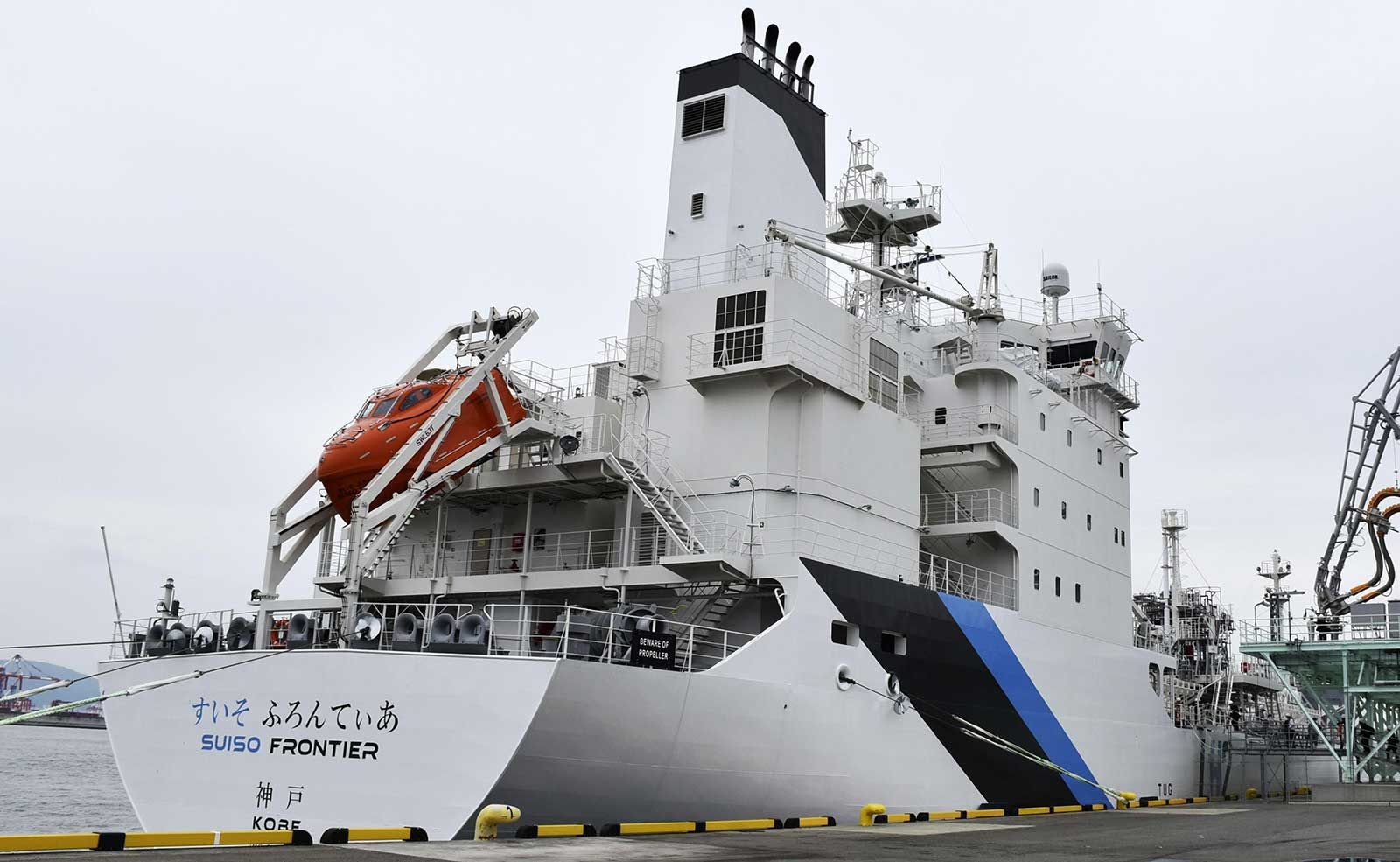
Not remarkably, transport of hydrogen is an rising business. Kawasaki Major Industries is already transporting liquid hydrogen, by ship, from Australia to Japan. And like Japan, the EU acknowledges that it will want to import wind and photo voltaic power to meet its formidable decarbonization plans. International locations as numerous as Chile and Saudi Arabia are now internet hosting attempts to turn into world wide hydrogen exporters. And port administrators all over the world are collaborating on creating very best procedures to prepare for a world wide hydrogen industry.
In addition to augmenting the transmission and distribution infrastructure, hydrogen might provide electrical utilities with prolonged-term storage of the electrical power generated from wind and photo voltaic. In certain, underground storage of wide portions of hydrogen, for example in existing geological formations, could make wind and photo voltaic power a calendar year-spherical, 24/7 dispatchable electrical power source.
Right now it is large price tag, alternatively than specialized maturity, that is keeping programs in the demonstration period. Below it’s critical to recognize that, environmentally speaking, not all hydrogen is produced equal. Hydrogen creation follows a color code that presents an thought of how much carbon was emitted. Brown hydrogen is produced by coal gasification grey by steam reforming organic fuel. Hydrogen earns a blue designation if it came from a fossil-gas feedstock but the carbon was captured during creation. Eco-friendly hydrogen will come from electrolysis powered by renewables (but, notably, not nuclear). Right now, though, not even one particular percent of hydrogen is environmentally friendly. There is a world wide hard work now, funded by governments as nicely as industry, to make environmentally friendly hydrogen price tag competitive.
For example, the authorities of China stories a system of almost $15 billion, Germany approaching $ten billion, Japan about $.5 billion, and the U.S. just about $.two billion. The U.S. is the sleeping huge between the big traders as it has the financial energy, the organic sources, and infrastructure to be a major player. So significantly, though, the U.S. authorities appears to be written content to commit just more than enough to be a quick follower. Of system, the U.S. can, if hydrogen reaches its potential, import the lower-price tag technology from China, Germany and Japan, nations with monitor records of exporting superior technology products to the US.
The industry motivation is robust and important for accomplishment. A critical example is the Hydrogen Council. It was fashioned by thirteen companies at the Globe Financial Forum in Davos, Switzerland in 2017. Right now more than a hundred companies, together with numerous world-main fuel, oil, and automotive companies, are committing corporate sources to develop the commercial use of hydrogen.
This concentrated, world wide hard work probably indicates a numerous team of leaders and technologists has concluded there is a sporting chance of creating hydrogen the distinguishing attribute of the 21st century grid.
Robert Hebner is Director of the Center for Electromechanics at the College of Texas at Austin. A Fellow of the IEEE, Hebner has served on the IEEE Board of Administrators and is also a former member of the IEEE Spectrum editorial board.
About the Author


