
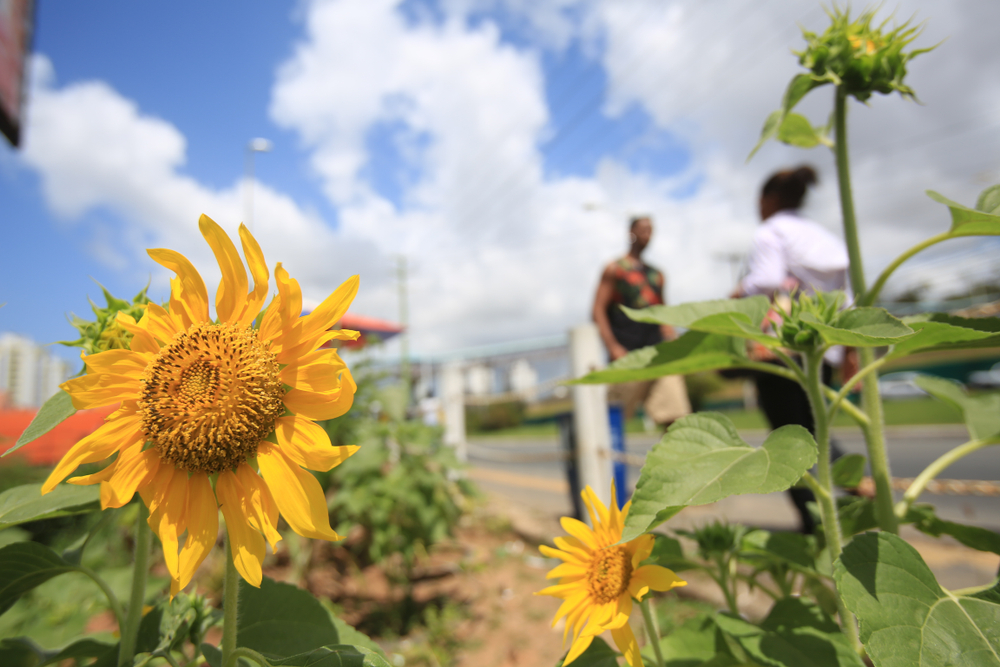
A nervous breakdown compelled Paul Dalton, a horticulturalist in Kilkenny, Ireland, to do some thing he hadn’t finished ahead of: Go about town, placing crops in the ground in places he wasn’t supposed to. He and the numerous some others all-around the globe who discreetly backyard garden in places where they do not have the authorized rights to do so are guerrilla gardeners. “Guerrilla gardening enables creativity and expression,” Dalton writes through email, and has develop into a way to make good friends.
Like some others who modify their local community with no permission — those people who put benches on streets that deficiency them, for example, or put up casual signs warning some others of a road security hazard — guerrilla gardeners typically have some kind of mission in head. What they create can provide some thing that official metropolis organizing protocols get much longer to do, states Monica Landgrave-Serrano, a metropolis planner for Tucson. “These kinds of little scale, swift, minimal cost interventions can genuinely get the ball likely,” she states, even although there may well be combined perspectives on irrespective of whether the job should to get started off.
Itching for an Unlawful Backyard
Landgrave-Serrano states there are typically two motivators for why persons have a tendency gardens in places where they weren’t explained to they could. Need to have — for shade or for new fruits and vegetables — evokes persons to plant what they see fit, as does conviction that an region justifies or could reward from some greenery. For Dalton, the choice to plant arrived right after he read that doing some thing he was good at may well support with his panic and depression. As a expert horticulturist, Dalton understood what to do, and bought to operate. Trial and mistake confident him to aim on a person job: Patches all-around town filled with blossoms bees and pollinators use. Dalton is also keeping the requires of local climate modify in head, and depends on crops that can cope with durations with no rain, he states. A aim on the atmosphere is some thing a large amount of guerrilla gardeners have in prevalent, Landgrave-Serrano states.
And although Do it yourself city gardeners assign themselves these projects because they think they should really or because they think it could be effective, not anyone sees it that way. As Dalton points out, trees, bouquets or vegetables can provide shade, a calming location to be or even some thing to eat. But property homeowners who do not consent to the plantings may well wrestle to sell if prospective buyers do not want the advert-hoc backyard garden, or have to cope with the logistics of tearing out the crops if they want to develop some thing.
There are other reasons guerrilla gardeners have to be absolutely sure that locals want the projects they start out. These and other casual changes to a metropolis or town, like pop-up parks with tables and seating, for example, have been linked to gentrification: A procedure where increased-cash flow men and women go into lower-cash flow parts and gradually selling price out existing citizens. In the U.S, the procedure generally consists of new white citizens replacing communities of shade. “Guerrilla gardening should really, when doable, if doable, test to include those people that will be influenced or are influenced,” Landgrave-Serrano states.
Slow-Escalating Approval
When spontaneous, unsanctioned gardens are well-liked, the endeavours from time to time receive official approval. In Landgrave-Serrano’s metropolis, a person resident familiar with how to backyard garden in the desert took it upon himself to hammer holes into road curbs and enable rainwater to flow into planted parts. However it wasn’t authorized for him to do it on his individual, a political determine championed his operate and sooner or later, the metropolis of Tucson legalized (metropolis-made) suppress cuts for rainwater collection.
A job may well be far more possible to garner good attention if it is finished nicely, a further roadblock guerrilla gardening from time to time runs into. Dalton knows how to treatment for and increase a backyard garden — almost everything he crops he propagates in his individual greenhouse. The to start with patch he started off his pollination job on was a turned down plot in town that he weeded and hand-sifted to get rid of rocks and debris in buy to give it what he calls the “Chelsea Flower Exhibit remedy.” Even then, he’s made some errors by spreading himself much too thin around several projects in previous yrs, he states.
Not all guerrilla gardeners are as knowledgeable as him. Authorities have noticed that some who get included romanticize how little they know about gardening, which can guide to disappointing, shriveled outcomes. A unsuccessful or plain aged unsightly final result from time to time backfires, Landgrave-Serrano states, with locals or other property homeowners disinclined to love long term plantings.
So far, Dalton has read combined reactions to his planting beds. A gardening group delivers him the funds, and he’s read almost everything from praise to crude remarks from locals. And when he knows the neighborhood government knows about his plots, no a person has reported anything at all however, a standing he’s good with. Official approval isn’t what he’s right after, anyhow. As someone with Cerebral Palsy, Dalton has dealt with a large amount of assumptions about what he can or can’t do. His individual lawn staying small, public gardens provide a chance to obstacle himself. “I have been labelled all my lifetime thanks to my incapacity,” he states. “However, I have well worth, skill and creativity that varieties natural beauty from muck.”
About the Author


