
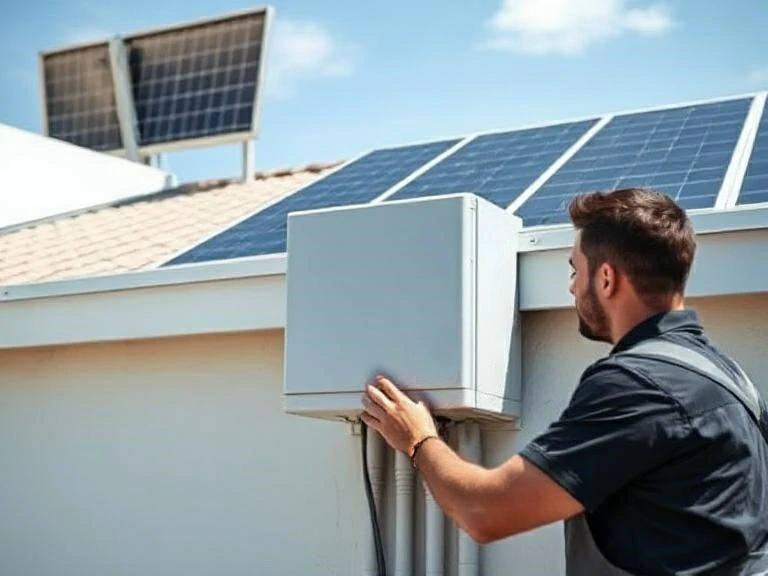
In the world of industrial automation and power management, the frequency converter stands as a vital component that ensures equipment operates at the correct electrical standards. Whether used in aerospace, manufacturing, or maritime applications, these devices represent a significant financial investment and a critical link in the operational chain. However, because frequency converters are complex systems that blend sensitive power electronics with high-voltage components, they are susceptible to wear and environmental stress. A reactive approach to maintenance—waiting for a failure to occur before taking action—often leads to expensive downtime and premature equipment replacement. By implementing a proactive maintenance strategy, facility managers can significantly extend the operational life of their converters and ensure consistent performance for decades.
Establishing a Clean and Controlled Environment
The most common enemy of frequency converters is the environment in which it lives. Because these units generate heat during the conversion process, they require constant airflow to maintain safe operating temperatures. In an industrial setting, this air often carries dust, metallic particles, or moisture, all of which can be catastrophic for internal circuit boards. Dust acts as an insulator, trapping heat against sensitive components and leading to thermal degradation. Even worse, if the dust is conductive or becomes damp, it can create electrical tracking or short circuits that lead to immediate system failure.
To prevent these issues, the first step in a maintenance program is ensuring the converter is housed in a clean, well-ventilated space. Air filters should be inspected and replaced on a regular schedule, often monthly in high-traffic or dusty environments. It is also important to verify that the cooling fans are functioning at their rated speeds. If a fan begins to whine or vibrate, it is a sign that the bearings are failing, which will eventually lead to an over-temperature trip. Keeping the internal and external surfaces of the unit clean through the use of low-pressure compressed air or specialized vacuums can prevent the slow “baking” of components that often leads to a shortened lifespan.
The Importance of Regular Electrical Inspections
Electrical connections within a frequency converter are subject to thermal cycling. As the unit powers up and down, the physical expansion and contraction of wires and terminals can cause connections to loosen over time. A loose connection creates high resistance, which in turn generates excessive heat and can lead to arcing or the melting of wire insulation. During a scheduled maintenance window, technicians should perform a physical check of all power terminals, ensuring they are torqued to the manufacturer’s specifications.
Beyond physical tightness, the use of thermographic imaging has become a gold standard for electrical maintenance. By using an infrared camera while the unit is under load, a technician can identify “hot spots” that are invisible to the naked eye. These hot spots often indicate a failing capacitor, an imbalanced load, or a loose connection that is beginning to fail. Catching these issues early allows for a planned repair during scheduled downtime, rather than a forced shutdown during a critical production run.
Software Updates and Parameter Optimization
While physical maintenance is critical, the digital health of a frequency converter is equally important. Manufacturers frequently release firmware updates that improve the efficiency of the conversion algorithms, enhance protection features, and address known bugs. Ensuring that your unit is running the most current software can improve its overall stability and energy efficiency. Additionally, the parameters of the converter should be reviewed periodically. Changes in the connected load or shifts in the utility power quality may mean that the original settings are no longer optimal.
Optimizing the “switching frequency” of the unit is a particularly effective way to manage heat. While a higher switching frequency might reduce audible noise in a motor, it increases the heat generated by the power transistors. Adjusting this parameter to the lowest acceptable level for your specific application can significantly reduce the thermal load on the unit, thereby extending the life of the entire system. Keeping a detailed log of all parameter changes and firmware versions ensures that the unit can be quickly restored or diagnosed in the event of an issue.
Conclusion
The longevity of a frequency converter is not merely a matter of build quality; it is a direct reflection of the care it receives throughout its service life. By focusing on environmental cleanliness, the integrity of electrical connections, the proactive replacement of life-limited components like capacitors and fans, and the optimization of internal software, businesses can maximize their return on investment. These steps transform the frequency converter from a mysterious “black box” into a reliable, long-term asset. In an era where operational continuity is paramount, the small costs associated with a disciplined maintenance routine are easily outweighed by the years of trouble-free service they provide.
About the Author


