
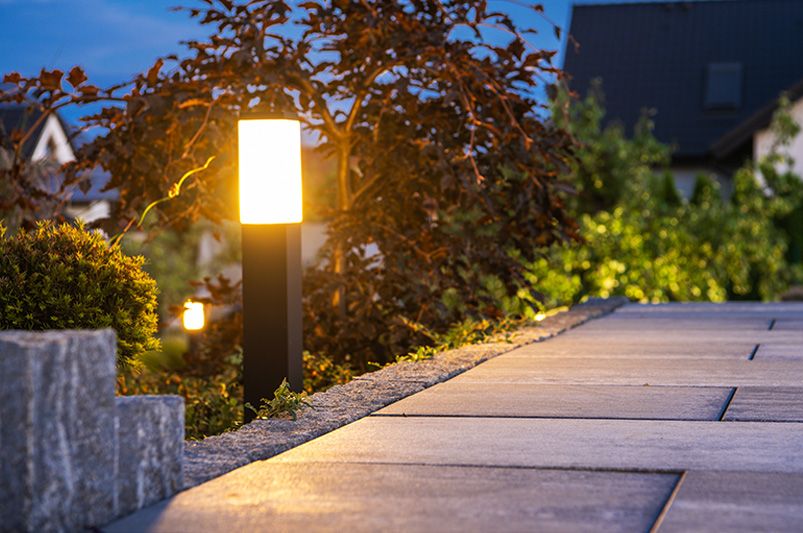
Hiking on a trail may seem passionate, but it is challenging. To make it safer and better, you should be well-equipped with proper illumination and other safety and comfort tools, such as walking lights, sturdy shoes, headgear, a backpack, or a walking stick. This recreational activity carries intrinsic risk, especially in the evenings or poor weather, when visibility is low, which can lead to accidents. Use walking lights to make it safer and enjoyable throughout winding paths. It will create an inviting atmosphere, alerting potential dangers.
These lighting options enable you to appreciate the natural beauty of your surroundings while also enhancing visibility.
Let’s discuss how walking path lights can improve your outdoor areas and make your nighttime activities safe and relaxing.
Essential Features of the Best Safety Walking Lights For Trails
It’s crucial to take notice of important aspects that guarantee efficiency and safety if you want to get the most out of your walking trail lights. Here’s what you ought to search for:
Brightness and Illumination
Make responsible lighting practices your top priority while lighting outdoor walkways. Choose warm-colored lights that are pointed downward to reduce light pollution. This will ensure that the light brightens the walkway without overly illuminating the sky. It is an excellent choice for environmentally friendly walking trail lighting. The light is deliberately projected sideways in a Dark Sky-friendly design that minimizes upward light spill while efficiently illuminating the trail. Look for lights that have between 100 and 300 lumens or more. It is light enough to see and be seen at this level.
Weather Resistance and Durability
Because walking lights are subject to the weather all year round, it’s critical to select a light that is both long-lasting and weatherproof. It is constructed from strong, long-lasting aircraft glass that is impervious to corrosion and damage. It is also resistant to water and dust.
Energy Efficiency and Eco-Friendly Choices
Your choice of trail lighting should take into account the fact that sustainability is more crucial than ever. With a longer lifespan, LED lights are the most energy-efficient choice. LED lighting is known to reduce energy expenses by up to 75% when compared to traditional l incandescent lighting. Select lights with a minimum lifespan of 6 to 10 hours. Longer battery life leads to safer walks.
Increasing Visibility And Safety
After the sun has set, picture yourself jogging or hiking on a trail. You might trip over a root, miss a stride, or worse, run into an invisible barrier. These dangers are eliminated by walking with trail lighting. These illumination options let you see where you’re going and steer clear of potential risks by illuminating the way ahead.
Additionally, criminal activity is less likely to target a well-lit area. Trail lights serve as a deterrent, making would-be criminals reconsider their actions. A lit trail gives you a vital sense of comfort and safety that lets you enjoy your run or walk fearlessly.
Charging Options
While some lights require standard batteries, some are rechargeable. Over time, rechargeable lighting might result in cost savings.
To stay visible and secure, keep these features in mind!
How bright should a nighttime walking light be?
A walking light should have between 100 and 300 lumens. You can see well and remain noticeable to others thanks to this brightness.
How long should a walking light’s battery last?
A decent walking light should last between 6 and 10 hours. You may enjoy your walks without worrying about charging due to a longer battery life.
Walking trail lights are a great improvement to any outdoor area, offering all ages of walkers, joggers, and bikers safety, security, and enjoyment.
About the Author


